
 United States
 United Kingdom
 Canada
 Australia
 New Zealand
 Ireland
What the Myanmar genocide ruling could mean for Israel
On Slow News Day, Tom Nicholas explains why a military justification does not settle the question of genocidal intent.
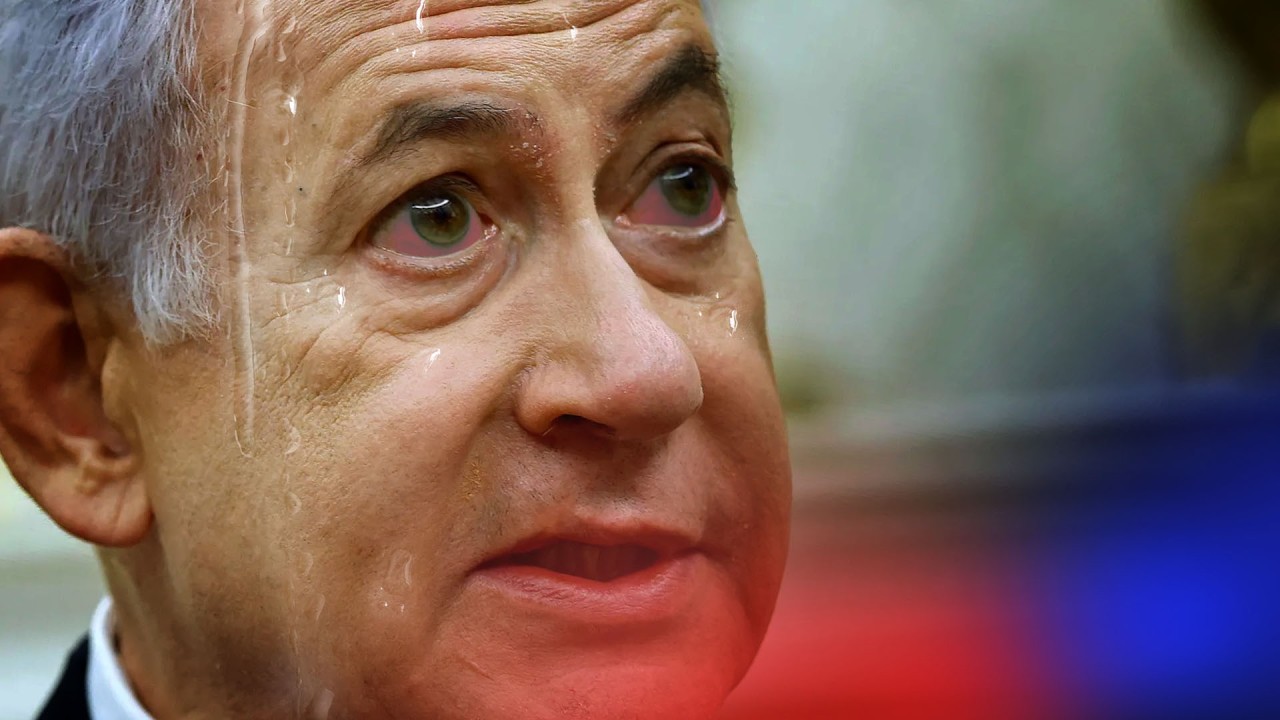 Everything Just Changed for Israel
Up nextTrari.com home page ›



 Slow News Day
Story of
Why this story? The video opened at a pace of 80,589 views a day, 16 times a normal first day on this channel (5,123).
2 more stories on Rohingya genocide case ›
The phrase Tom Nicholas keeps coming back to is "the only reasonable inference". In its ruling that Myanmar committed genocide against the Rohingya, the International Court of Justice found that genocidal intent was the only reasonable conclusion it could draw from the evidence. Nicholas traces the ruling back to the military crackdown that drove hundreds of thousands of Rohingya into neighbouring Bangladesh.
His Slow News Day episode, "Everything Just Changed for Israel", drew about 55,000 views in 12 hours, well past what the channel's regular videos usually get in a full day. The title points to South Africa's genocide case against Israel over the war in Gaza. The Myanmar ruling does not decide that case. Nicholas's point is that a state can cite a military objective and judges can still find genocidal intent if that is the only reasonable inference from the evidence.
Nicholas makes a distinction between two courts with similar names: the International Criminal Court prosecutes individuals, while the International Court of Justice hears disputes between states. He also separates a judgment from what happens after it. If a state does not comply, the UN Security Council can be asked to act, but its members may not agree to do so.
Also known as Burma, Myanmar is a Southeast Asian country that borders Bangladesh to the northwest.
More on Wikipedia ›The UN’s main court settles legal disputes between countries. It also gives advisory opinions on legal questions referred by UN bodies and specialized agencies.
More on Wikipedia ›Based in The Hague, this permanent court prosecutes individuals, not countries, for genocide, crimes against humanity, war crimes and the crime of aggression.
More on Wikipedia ›This UN body is responsible for international peace and security. It can adopt resolutions that bind all UN member states and can impose sanctions.
More on Wikipedia ›Published on Trari.com
Go back to Trari.com home page
Where next?
Things we can learn from the video
Press to jump
- 2:00Nicholas traces decades of persecution of the Rohingya to the 2017 military crackdown and mass displacement.
- 5:05The court found genocidal intent was the only reasonable inference from the evidence, despite Myanmar's counter-terrorism justification.
- 6:48The UN Security Council can be asked to enforce a judgment, but its members may oppose action.
- 8:38Nicholas turns to South Africa's separate case against Israel over the war in Gaza.
- 9:34The International Criminal Court prosecutes individuals; the International Court of Justice hears disputes between states.
- 14:18Nicholas argues that a military objective does not rule out a finding of genocidal intent.
What do you think?
Want to know when somebody answers you?
 For the channel's owners and team
Share the story with your audience
A ready picture for an Instagram story or a WhatsApp status.
Ready text for a community post
- Channel
- Slow News Day
- Subscribers
- 79,600
- Channel views, pace per day
- 38,607 (on a normal day: 40,693)
- Video published
- November 24, 2026
- Video views so far
- 54,541 (less than a day online)
- Video views, pace per day
- 80,589
The numbers
The episode was already well past a typical first day for Slow News Day by the halfway mark.
