
 United States
 United Kingdom
 Canada
 Australia
 New Zealand
 Ireland
LaKesha Womack tells Roland Martin how her $56,000 campaign won
The North Carolina representative-elect credits year-round community contact, not expensive advertising, for her victory over Republican incumbent Tim Moore.
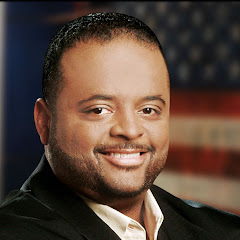 Roland S. Martin
Story of
Why this story? The video opened at a pace of 127,579 views a day, 7.6 times a normal first day on this channel (16,818).
 “How in the Hell Did You Win?” Black Woman Crushes Arrogant GOP Incumbent With a $56K Campaign
Things we can learn from the video
Press to jump
- 0:45Anderson Clayton credits grassroots organizing, strong candidates and outreach to rural and marginalized communities for Democratic gains.
- 2:11Martin argues that long-term party infrastructure and university student engagement mattered more than television advertising.
- 4:08Womack answers the campaign-spending question: attend community events, hold town halls and listen to overlooked voters.
- 10:15Thelma asks what Womack's victory means for Black women discouraged from running by fundraising barriers.
- 14:38Clayton identifies state Supreme Court races as a focus for sustaining organizing into 2028.
"Showing up for the community." That is LaKesha Womack's answer when Roland S. Martin asks how she pulled off a congressional victory with a fraction of her opponent's campaign spending.
Martin puts the contrast at roughly $56,000 for Womack's campaign against nearly $2 million spent by Republican incumbent Tim Moore. This was not an opponent without political experience: Moore served as speaker of North Carolina's state House for a decade before entering Congress.
Womack's explanation is practical rather than mysterious. She attended community events, held town halls, visited churches and listened to residents in urban and rural communities that she says candidates had overlooked. A listening tour with North Carolina Democratic Party chair Anderson Clayton was part of that work. The point, she tells Martin, is to build relationships before asking anyone for a vote.
"So we have to show up year-round in the community," Womack says.
Clayton connects the result to a broader organizing effort involving strong candidates and outreach to marginalized and rural communities. Martin, meanwhile, argues that sustained party infrastructure and university student engagement mattered more than television advertising. Later, panelist Thelma asks what Womack's result means for Black women who see fundraising as a barrier to running.
The interview drew about 69,000 views within nine hours, an unusually fast start for Martin's regular videos. Its central question gets an answer early: Womack begins explaining her approach just after the four-minute mark. A paid Medicare advisory advertisement follows the discussion.
An American business consultant, minister and politician who won the 2026 election to become the member-elect for North Carolina's 14th congressional district.
More on Wikipedia ›A Republican representing North Carolina's 14th congressional district in the U.S. House since 2025. He was speaker of North Carolina's state House from 2015 to 2025.
More on Wikipedia ›The 120-member lower chamber of North Carolina's legislature. Its representatives serve two-year terms.
More on Wikipedia ›The Democratic Party's state affiliate in North Carolina, headquartered in Raleigh.
More on Wikipedia ›Chair of the North Carolina Democratic Party. Elected at age 25, she is the youngest state political party chair in the United States.
More on Wikipedia ›Published on Trari
Where next?


 Is this your channel?For the channel's owners and team: a ready picture and text for your audience
Share the story with your audience. Everything is ready:
For an Instagram story or a WhatsApp status
For a community post or your channel's description
- Channel
- Roland S. Martin
- Subscribers
- 1,960,000
- Channel views, last 7 days
- 6,368,899
- Channel views, pace per day
- 445,310 (on a normal day: 652,306)
- Video published
- November 8, 2026
- Video views so far
- 68,701 (less than a day online)
- Video views, pace per day
- 127,579
The numbers
The Womack interview is drawing views much faster than Martin's usual regular upload, even while the channel's overall daily views are below their typical pace.

💡 Test your knowledge
What role does Anderson Clayton hold in this discussion?
Clayton appears as chair of the North Carolina Democratic Party, explaining its grassroots organizing.