
 United States
 United Kingdom
 Canada
 Australia
 New Zealand
 Ireland
Max Afterburner explains why tankers move first in Iran alert
His analysis connects reported aircraft departures from Britain with the practical limits of Iran's underground "missile city."
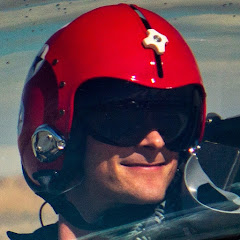 Max Afterburner
Story of
Why this story? 1,087,874 views so far, and here is what is inside it.
 U.S. Bases Go On HIGH ALERT As Iran Unveils MISSILE CITY
Next story: Max Afterburner brings fighter-pilot commentary to a million subscribers
Things we can learn from the video
Press to jump
- 0:00Max reports tanker and Osprey departures from Mildenhall and explains the heightened Force Protection Condition Charlie.
- 1:31Refueling tankers sustain fighter operations, making their vulnerability a reason to disperse them when threats arise.
- 6:02He examines Iran's underground missile-facility footage and identifies what he considers apparent AI-generated anomalies.
- 11:25His central caveat: underground protection does not remove the difficulty of getting a missile into flight.
- 13:13The global roundup turns to reported strikes at Ust-Luga and NATO aircraft responding to drones over the Baltics.
Max Afterburner starts with the aircraft that keep fighters flying, rather than the fighters themselves. Reviewing reports of KC-135 tankers leaving RAF Mildenhall amid an Iranian threat, the former combat pilot explains why protecting refueling aircraft matters so much.
"It isn't just a support airplane. It's your oxygen mask, basically," he says. Tankers extend the reach of combat aircraft, but are also high-value, vulnerable targets. Dispersing them is a way to protect the capability other aircraft depend on.
The November 11 upload reports that RAF Mildenhall and RAF Lakenheath in England had moved to Force Protection Condition Charlie. Max explains that this is a security level used when intelligence indicates terrorist action is likely, giving the alert language in his title a concrete meaning.
Iran's underground missile-facility footage gets a different kind of scrutiny. Max points to what he identifies as apparent AI-generated anomalies and editing in the presentation. Those are his observations about the footage, not proof that the facility itself is invented.
He also separates storing missiles underground from getting them into flight. A tunnel may offer protection, he argues, but launching creates a different problem: "A missile in a tunnel is safe right up until it has to fly."
The video includes a paid mobile-carrier segment. Its central military argument is about the difference between displaying weapons and keeping them usable, whether that means moving a tanker out of danger or bringing a missile out of shelter.
A Royal Air Force station in Suffolk, England, primarily supporting US Air Force operations. It is home to the 100th Air Refueling Wing.
More on Wikipedia ›A Royal Air Force station near the village of Lakenheath in Suffolk, England, northeast of Mildenhall.
More on Wikipedia ›Published on Trari
Where next?


What do you think?
Want to know when somebody answers you?
 Is this your channel?For the channel's owners and team: a ready picture and text for your audience
Share the story with your audience. Everything is ready:
For an Instagram story or a WhatsApp status
For a community post or your channel's description
- Channel
- Max Afterburner
- Subscribers
- 1,000,000 ▲ 6,000 this week
- Channel views, last 7 days
- 11,519,703
- Channel views, pace per day
- 2,217,622 (on a normal day: 1,653,825)
- Video published
- November 11, 2026
- Video views so far
- 1,087,874 (3 days online)
- Video views, pace per day
- 81,539 (on a normal day: 404,407)
The numbers
The analysis has passed a million views in three days. Its audience size is a side note to the military explanation, rather than an unusual surge for the channel.

💡 Test your knowledge
Which aircraft does Max discuss as a crucial aerial refueling asset?
The video explains why KC-135 tankers are essential support aircraft and high-value targets.