
 United States
 United Kingdom
 Canada
 Australia
 New Zealand
 Ireland
Jordan's Red Sea water plan faces a costly climb to Amman
An Israeli report asks whether delays at Aqaba could put Jordan back at the negotiating table for more water.
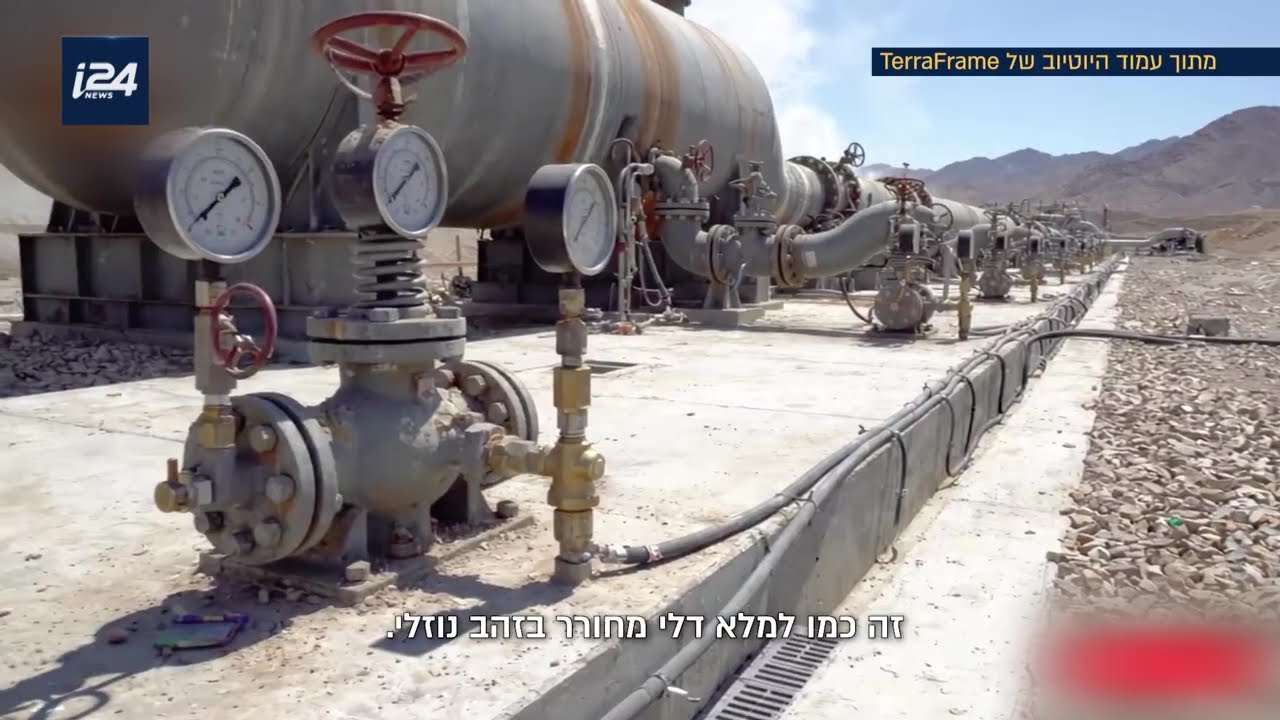 הלחץ על המים: ההימור של ירדן - שעלול להשפיע על הגבול של ישראל | מיוחד לסופ"ש
Up nextTrari.com home page ›


 IsraelStory of
Why this story? One of i24NEWS עברית's most watched videos since yesterday, with 38,094 views.
i24NEWS עברית: The Hebrew channel of i24NEWS, the Israeli news channel owned by Patrick Drahi. 123K subscribers and 282M views.
A desalination plant on the Red Sea can turn seawater into drinking water. Jordan's harder task is getting that water from Aqaba to the taps in Amman, where it flows only once a week, according to a report from Israel's Hebrew-language i24NEWS עברית.
In "הלחץ על המים: ההימור של ירדן - שעלול להשפיע על הגבול של ישראל | מיוחד לסופ"ש" ("Water pressure: Jordan's gamble could affect Israel's border"), narrator Daniel Schnepp opens with King Abdullah II making water security a priority in a November speech to parliament. The report points to several pressures on Jordan's supply, including demand in a country that has taken in millions of refugees, heavy agricultural water use in the desert and leaky pipes that it says lose about two-fifths of the country's drinking water.
The Aqaba project would send desalinated water through a 450-kilometer pipeline to the capital. That means building large pumping stations and supplying the electricity to run them. The report puts the cost at more than $4 billion and says the water is not expected to start flowing before 2029.
Archival footage of Israeli Prime Minister Yitzhak Rabin, Jordan's King Hussein and U.S. President Bill Clinton takes the report back to the 1994 peace treaty, which provided for water deliveries from Israel to Jordan. Schnepp distinguishes those deliveries from a separate deal for extra water that, according to the report, expired at the end of 2025 and was not renewed amid diplomatic tensions. His closing question is whether Israel might again supply water beyond its treaty commitments if the Aqaba project falters, and what that decision could mean for stability along Israel's eastern border.
Abdullah II has ruled Jordan since 1999. He belongs to the Hashemite family, which has held the throne since 1921.
More on Wikipedia ›Published on Trari.com
Go back to Trari.com home page
Where next?
Things we can learn from the video
Press to jump
- 0:00King Abdullah II makes water security a priority in a speech to Jordan's parliament.
- 0:36The report distinguishes water deliveries under the 1994 peace treaty from a separate deal for extra water that expired.
- 1:05The report says Amman gets running water once a week and puts drinking-water losses from leaky pipes at about two-fifths.
- 2:00The Aqaba plan would desalinate Red Sea water and carry it 450 kilometers to Amman.
- 2:30Large pumping stations would require substantial electricity, and the report puts the project's cost above $4 billion.
- 3:26Schnepp asks whether Israel would supply extra water again if the project falters.
What do you think?
Want to know when somebody answers you?
- Channel
- i24NEWS עברית
- Subscribers
- 123,000 ▲ 1,000 this week
- Channel views, last 7 days
- 6,557,368
- Channel views, pace per day
- 883,572 (on a normal day: 916,737)
- Video published
- November 27, 2026
- Video views so far
- 38,094 (less than a day online)
- Video views, pace per day
- 44,219
The numbers
The report drew about 38,000 views since yesterday, placing it among Israel's most-watched news videos in that period.

💡 Test your knowledge
Which Jordanian king signed the 1994 peace treaty with Israel?
King Hussein signed the treaty with Israeli Prime Minister Yitzhak Rabin.
