
 United States
 United Kingdom
 Canada
 Australia
 New Zealand
 Ireland
Meet the sea scorpion longer than a sofa on ExtinctZoo
The channel's only upload of the week follows eurypterids from early ocean predators to their last freshwater survivors.
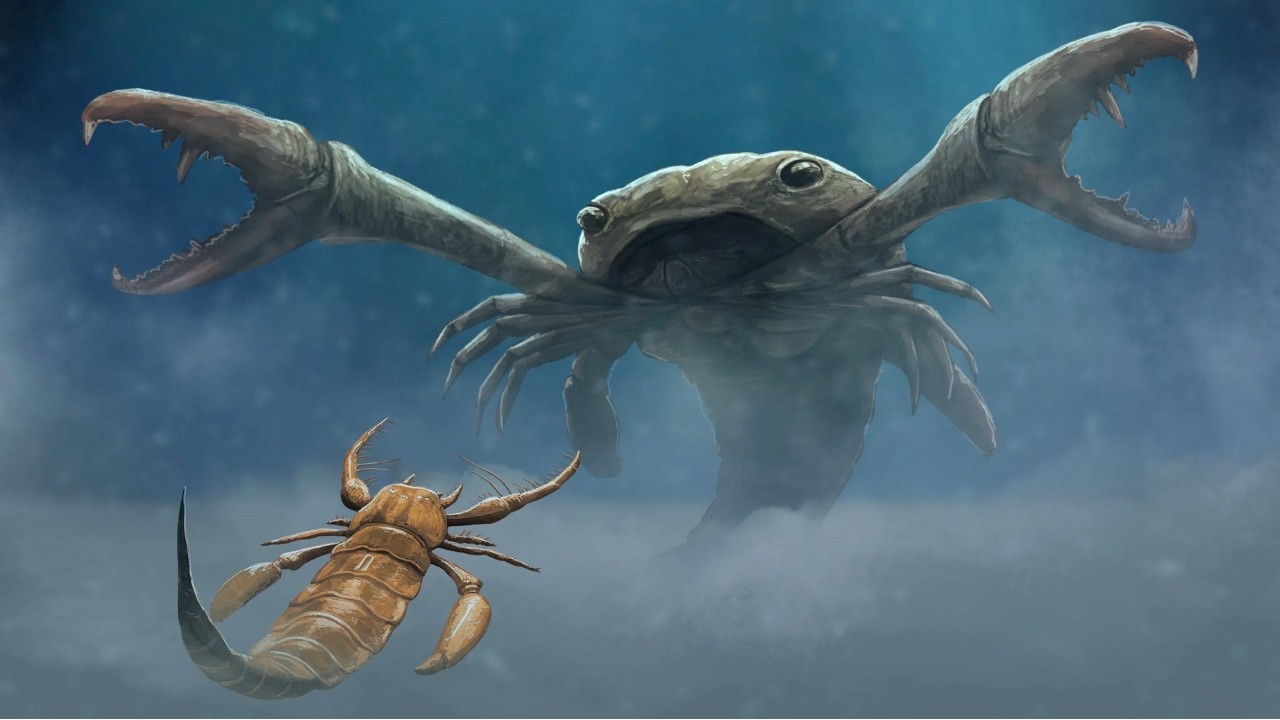 When The Largest Scorpions Terrorized The Planet
Up nextTrari.com home page ›



 ExtinctZoo
Story of
Why this story? The channel's weekly summary: what went up this week, what is drawing views now, and where the channel stands among similar channels.
The first thing to know about "When The Largest Scorpions Terrorized The Planet" is that the animals weren't true scorpions. ExtinctZoo's narrator introduces them as eurypterids, relatives of modern scorpions that came in forms as different as tiny filter feeders and Jaekelopterus, a predator that may have reached eight and a half feet.
The biggest animal gets a scale graphic, but the documentary is as much about what happens when size stops being an advantage. The group diversified after surviving an early mass extinction. Much later, jawed fish crowded them out of their old role, and another extinction devastated the shallow waters many of them inhabited. The last survivor the video introduces is not a giant ocean hunter but a freshwater sweep feeder. In the comments, one viewer was already trying out Sea Scorpions as a football team name.
The documentary drew about 144,000 views and was picking up views faster than anything else on the channel. "The Most Tragic Fossils Ever Discovered" was next for daily views, followed by the sponsored "The Oldest Wars That We Know Happened." Across ExtinctZoo, subscribers held steady, while daily views were running above their usual pace.
Science Explained had a big week for views, while Periodic Videos was quieter. ExtinctZoo had the second-highest weekly view gain among those similarly sized science channels, with a single new upload that went back even further than its dinosaur fare.
Published on Trari.com
Go back to Trari.com home page
Where next?
Things we can learn from the video
Press to jump
- 2:40Sea scorpions were eurypterids, a separate group from true scorpions, though both are chelicerates.
- 7:31Eurypterids diversified in shallow Silurian seas after surviving the Late Ordovician mass extinction.
- 10:32Jaekelopterus may have grown to eight and a half feet long.
- 20:00Jawed fish challenged eurypterids for dominance during the Devonian, also known as the Age of Fishes.
- 20:36The Late Devonian extinction devastated shallow marine habitats, and surviving eurypterids persisted in fresh and brackish water.
- 22:01The Permian mass extinction wiped out Campylocephalus, the last remaining eurypterid genus.
A professional in this field? Want to write about Science & learning on Trari? Tell us ›
What viewers say
I'm going to call my my football team 'The Sea Scorpions'. That should intimidate our opponents!
@NeilÇedillaSee it on YouTubeThey haven't ruled since the Silurian but they still rule in our hearts 🥺❤ 🦂
@autismmetalhourSee it on YouTubeMy regular Sunday program is here
@TigerChamp99See it on YouTube
2 more comments
how would you eat giant scorpions because all I can see are the cousins of very large lobsters.
@ReiTheGeckoSee it on YouTubeIts that shrimple
@insulator_999See it on YouTube
Public comments from the video's page on YouTube
Want to know when somebody answers you?
 For the channel's owners and team
Share the story with your audience
A ready picture for an Instagram story or a WhatsApp status.
Ready text for a community post
The videos drawing views on ExtinctZoo right now

- Channel
- ExtinctZoo
- Subscribers
- 1,550,000
- Channel views, last 7 days
- 2,935,947
- Videos published this week
- 1
- Video published
- November 22, 2026
- Video views so far
- 144,244
- Views on its first day
- 117,171
The numbers
Here's how the sea scorpion documentary and the rest of ExtinctZoo's week looked in views and subscribers.

💡 Test your knowledge
Which geological period is nicknamed the Age of Fishes?
The Devonian is known as the Age of Fishes because fish diversified dramatically during that period.