
 United States
 United Kingdom
 Canada
 Australia
 New Zealand
 Ireland
The robot wage math on Economics Explained
The channel's only new upload asks what happens to India's export industries if automation makes factories cheaper to run in richer countries.
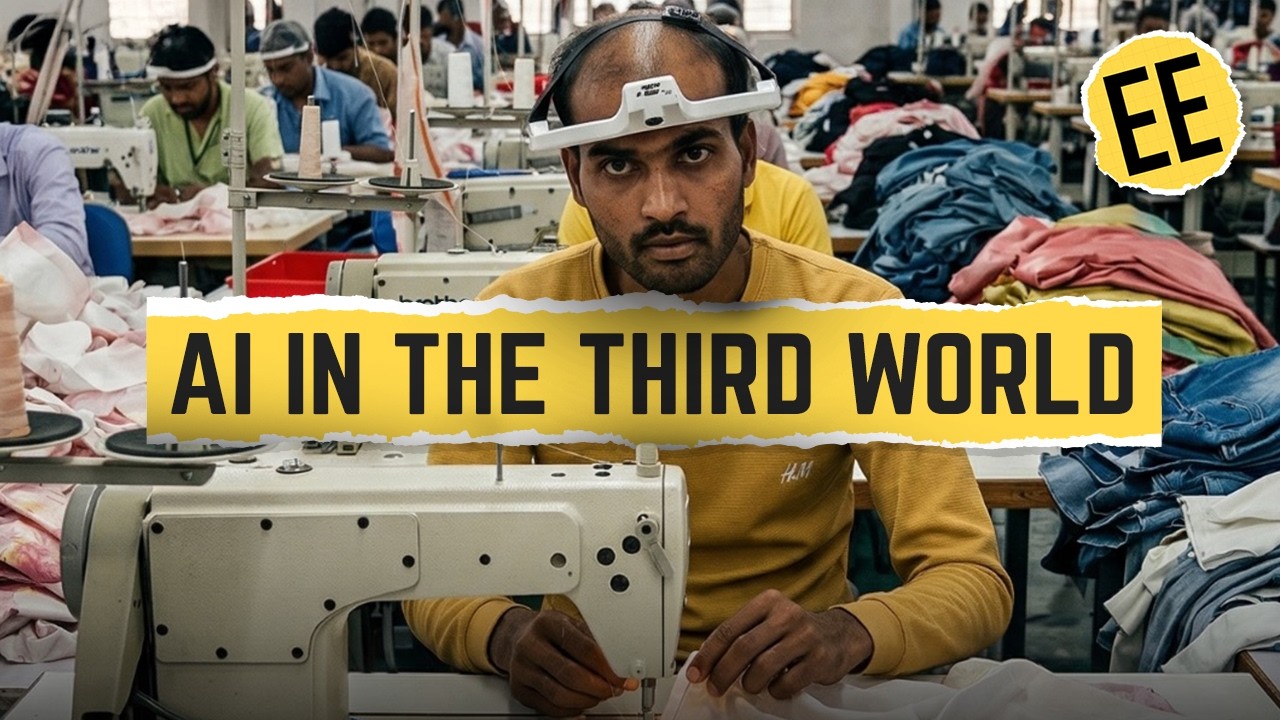 AI Is Speedrunning India's Economic Demise
Up nextTrari.com home page ›


 Economics Explained
Story of
Why this story? The channel's weekly summary: what went up this week, what is drawing views now, and where the channel stands among similar channels.
Why pay Indian factory workers to film jobs that robots might do somewhere else? In "AI Is Speedrunning India's Economic Demise", Economics Explained starts with the deal on offer: workers wear head cameras as they go about their jobs, and the recording sessions can pay more than an ordinary shift. The footage is meant to teach robots how to do physical work. The video includes a sponsored segment for 80,000 Hours.
The catch, in the narrator's telling, is that the robot is more likely to pay for itself where wages are high. It doesn't have to replace the person wearing the camera to affect their prospects. If automation makes it cheaper to bring production home, the essay argues, countries such as India and Bangladesh could have fewer chances to build up export industries. Viewers picked up on the demand side of that argument: if machines replace workers on a large scale, who can afford what they make? Self-checkout prompted a narrower question about whether the work disappears at all or just goes to the customer.
The India essay cleared a million views on its first day and is still drawing far more daily views than anything else on the channel. Economics Explained gained subscribers this week and had one of the busiest weeks for views among nearby education channels. Epic History also had a big week, while Half as Interesting's subscriber count held steady.
The two older essays drawing the most daily views after the India video both look at what happens when familiar economic trade-offs stop working. In "Every Crisis Everywhere All At Once", aging populations and higher borrowing costs leave governments less room to respond to a downturn, though cheaper renewable energy offers a bright spot. "Something Strange Is Happening In America" brings that idea down to the household budget: a small raise can leave a family worse off if it pushes them over the cutoff for childcare assistance or Medicaid.
Published on Trari.com
Go back to Trari.com home page
Where next?
Things we can learn from the video
Press to jump
- 0:00Factory workers in India wear head cameras to record everyday tasks from their own perspective for robot training.
- 3:33Recording sessions can pay workers more than their usual factory shifts.
- 5:22The essay contrasts pushback at Meta with the weaker bargaining position of manual workers asked to record their work.
- 9:00Robots can make financial sense in high-wage countries even when they cost too much to replace workers in lower-wage economies.
- 11:44If automation brings factories back to richer countries, India and Bangladesh could lose opportunities to build export industries.
- 14:33Some apparently automated systems still depend on people operating them remotely.
A professional in this field? Want to write about Money & self-improvement on Trari? Tell us ›
What viewers say
I don't understand. if AI and mchines replace all the jobs, who is going to pay for all of those AI tokens and machines?
@supul32See it on YouTubeSelf-checkout isn't automation, it's having the customer do the job.
@BlackJar72See it on YouTubeThat is so demoralizing. Imagine having to wear that to basically train your replacement.
@Thunder-h3hSee it on YouTube
1 more comment
These AIs are going to be really good at generating videos of work being done 😌
@EnkaybeeSee it on YouTube
Public comments from the video's page on YouTube
Want to know when somebody answers you?
 For the channel's owners and team
Share the story with your audience
A ready picture for an Instagram story or a WhatsApp status.
Ready text for a community post
The videos drawing views on Economics Explained right now


- Channel
- Economics Explained
- Subscribers
- 2,900,000 ▲ 10,000 this week
- Channel views, last 7 days
- 2,990,576
- Videos published this week
- 1
- Video published
- November 25, 2026
- Video views so far
- 1,732,496
- Views on its first day
- 1,117,711
The numbers
Here's how Economics Explained's views and subscribers moved this week.

💡 Test your knowledge
Which household expense did Mollie Orshansky use as the starting point for the U.S. poverty threshold?
As the channel's U.S. essay explains, Orshansky based the threshold on the cost of a basic food budget.