
 United States
 United Kingdom
 Canada
 Australia
 New Zealand
 Ireland
Cohen and Kirschner examine the digital trail behind shredding allegations
Their Legal Breakdown discussion explains why destroying records may leave recoverable evidence and create additional legal exposure.
 Brian Tyler Cohen
Story of
Why this story? 1,249,508 views so far, and here is what is inside it.
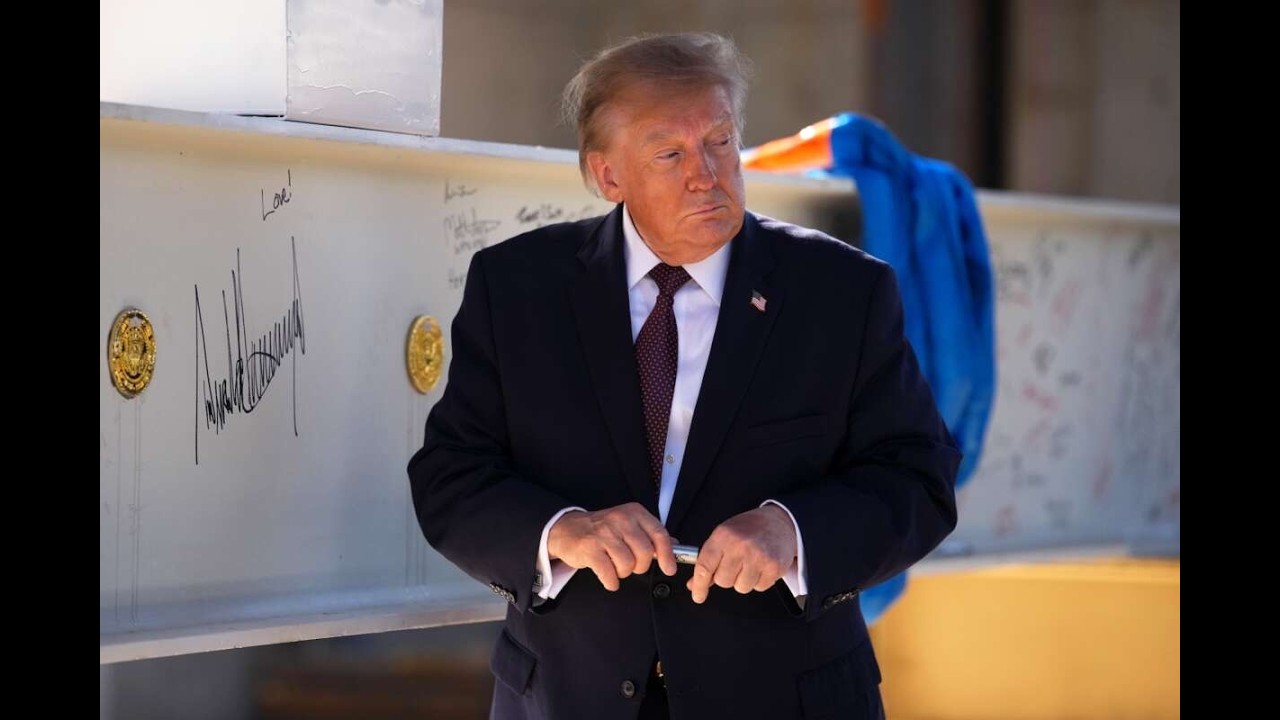 BREAKING: Trump admin caught SHREDDING documents in BOMSHELL SCANDAL
Next story: Cohen links Boebert's projected loss to a kitchen-table disconnect
Things we can learn from the video
Press to jump
- 0:00Cohen introduces whistleblower allegations about destruction of Interior Department records concerning Trump's projects.
- 2:36Kirschner explains how digital traces and forensic recovery can frustrate attempts to erase records.
- 3:45Kirschner says attempted deletion can become evidence of consciousness of guilt.
- 5:00Investigators can seek devices and cloud-service records, Kirschner explains.
- 9:48Kirschner says federal records must be preserved even when no active investigation exists.
Deleted doesn't always mean gone. That's Glenn Kirschner's central point as Brian Tyler Cohen asks what investigators can do about reports of government records being destroyed.
The Legal Breakdown episode opens with whistleblower allegations concerning Department of the Interior documents related to Donald Trump's projects. Cohen's title presents the administration as having been caught shredding records; the conversation examines the allegations and their potential criminal consequences, rather than establishing that a crime occurred.
Kirschner, a former career prosecutor, explains that digital records can leave traces beyond the file someone tries to erase. Forensic specialists may recover deleted material, while investigators can seek devices and records held by cloud services. Destroying a paper copy, in other words, need not eliminate every route to its contents.
His second point is that an attempted deletion can itself become evidence. Kirschner says prosecutors may use efforts to destroy files to argue that someone knew they had something to conceal, describing that as evidence of consciousness of guilt.
Cohen also asks whether officials must preserve records when no investigation is underway. Kirschner's answer is yes: he says federal record-preservation duties exist independently of an active inquiry. That distinction arrives late in the episode, but it answers a practical question running through Cohen's discussion: the obligation to keep government records does not begin only when investigators come looking.
The U.S. federal department that manages and conserves most federal lands and natural resources. It also oversees programs concerning Indigenous communities and historic preservation.
More on Wikipedia ›Published on Trari
Where next?


What do you think?
 Is this your channel?For the channel's owners and team: a ready picture and text for your audience
Share the story with your audience. Everything is ready:
For an Instagram story or a WhatsApp status
For a community post or your channel's description
- Channel
- Brian Tyler Cohen
- Subscribers
- 5,340,000 ▲ 20,000 this week
- Channel views, last 7 days
- 36,505,741
- Channel views, pace per day
- 4,936,687 (on a normal day: 4,448,552)
- Video published
- November 11, 2026
- Video views so far
- 1,249,508 (2 days online)
- Video views, pace per day
- 88,263 (on a normal day: 730,623)
The numbers
The Legal Breakdown episode has drawn more than a million views since publication. Here is how it sits alongside Brian Tyler Cohen's wider channel activity.
