
 United States
 United Kingdom
 Canada
 Australia
 New Zealand
 Ireland
Iran's anticipated military orders put decentralized defense in focus
Military analyst Mohammed al-Smadi describes regional response plans and a possible U.S. attack sequence, while distinguishing military pressure from a decision to strike.
 Arab worldStory of
Why this story? One of العربي - أخبار 's most watched videos since yesterday, with 130,869 views.
العربي - أخبار : The Arabic television channel Al Araby, broadcasting from London since 2015, owned by a company backed by Qatar. 12M subscribers and 9.7B views.
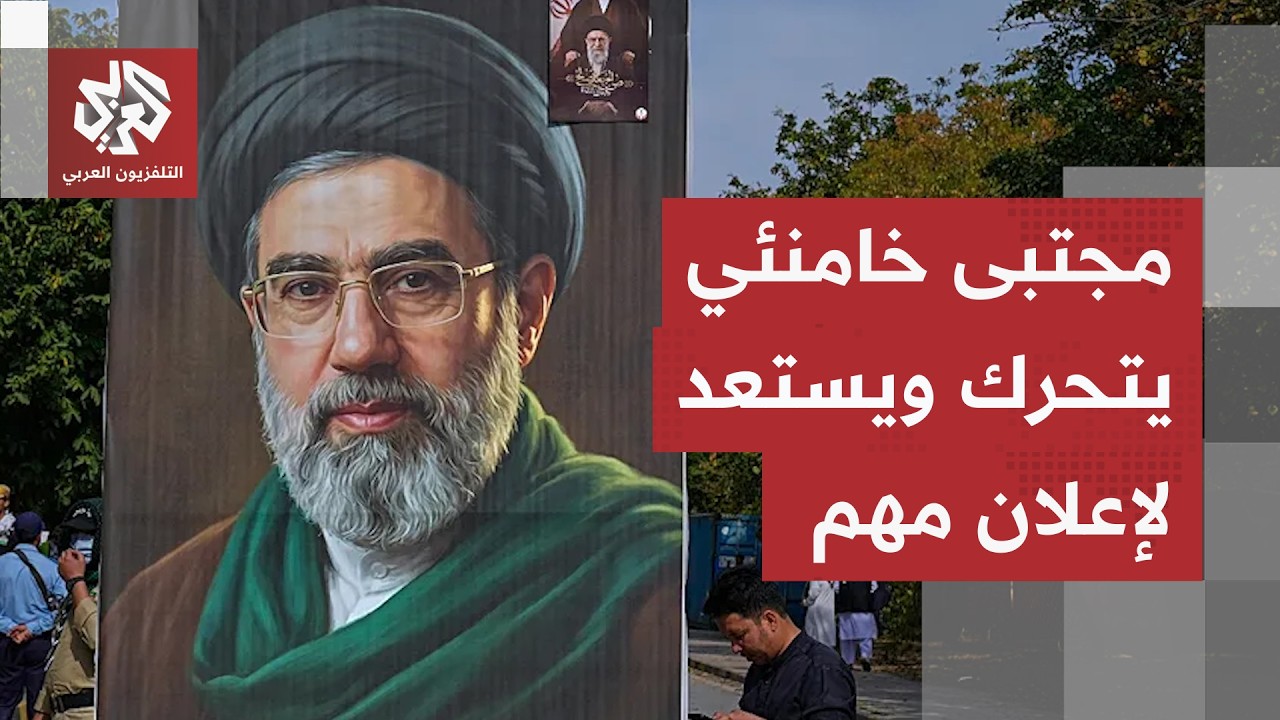 المرشد الأعلى يخرج عن صمته ويجتمع بكبار القادة العسكريين.. أوامر كبرى وشيكة وترقب لإعلان مهم
Next story: Pakman highlights Trump's denial of an Iran war end-date claim
62 more stories on War with Iran ›
Things we can learn from the video
Press to jump
- 0:00Iranian television's announcement of anticipated strategic orders prompts questions about a meeting with senior military commanders.
- 1:21Al-Smadi describes 31 military regions intended to deliver decentralized responses under centralized planning.
- 3:00He characterizes the American buildup as force projection, pressure and deterrence, rather than confirming an attack decision.
- 4:40His hypothetical attack sequence begins with electronic warfare, then targets leadership, radar, air defenses, drones and infrastructure.
- 5:51The final exchange considers whether infrastructure attacks could stir domestic unrest and advance an effort to change Iran's government.
Iran could respond to an attack through regional military commands operating under a central plan, military analyst Mohammed al-Smadi says in an interview about anticipated orders from the country's supreme leader.
The discussion on Al Araby Television, based in Qatar, begins with an Iranian television announcement that the leader is meeting senior armed forces commanders and will issue important strategic instructions. A later ticker attributes a similar announcement to Iran's Fars news agency. The interview examines what those signals might mean rather than presenting the text of the orders.
Speaking from Ajloun, Jordan, al-Smadi argues that Iran's leadership increasingly sees confrontation with Washington as an existential conflict. He describes plans to divide the country into 31 military regions, allowing decentralized responses if an attack disrupts central command. In his account, the overall planning would remain centralized while regional forces would carry out their own responses.
Asked whether additional American aircraft and troops signal pressure or imminent military action, al-Smadi characterizes the buildup at that point as a combination of force projection, pressure and deterrence. He also argues that Washington wants influence over energy resources and a reshaped regional geopolitical order. Those are his interpretations of American aims.
The presenter then asks what a renewed U.S. attack might target. Al-Smadi outlines a possible opening involving electronic warfare and jamming, followed by attacks on leadership, radar installations, air defenses, drone sites and infrastructure. He presents this as a scenario, not an announced operational plan.
The closing exchange considers whether attacks on energy facilities and other infrastructure could provoke unrest inside Iran. Al-Smadi links that possibility to an effort to change the government, while discussing whether such an approach could succeed or fail.
Published on Trari
More on War with Iran


Where next?


What do you think?
- Channel
- العربي - أخبار
- Subscribers
- 12,000,000
- Channel views, pace per day
- 3,682,884 (on a normal day: 12,995,570)
- Video published
- October 31, 2026
- Video views so far
- 130,869 (less than a day online)
- Video views, pace per day
- 149,450
The numbers
The interview drew about 131,000 views since yesterday, placing it among the Arab world's most-watched new news videos.
