
 United States
 United Kingdom
 Canada
 Australia
 New Zealand
 Ireland
Tesla to phase out Cybertruck for Cybercab, WSJ reports
The Journal traces the pickup's manufacturing and sales problems, with Musk saying production will extend through summer 2027 to fulfill backlogged orders.
 The Wall Street Journal
Story of
No. 60 on the daily chartNo. 2 on the Cars chart
Why this story? One of The Wall Street Journal's most watched videos since yesterday, with 775,020 views.
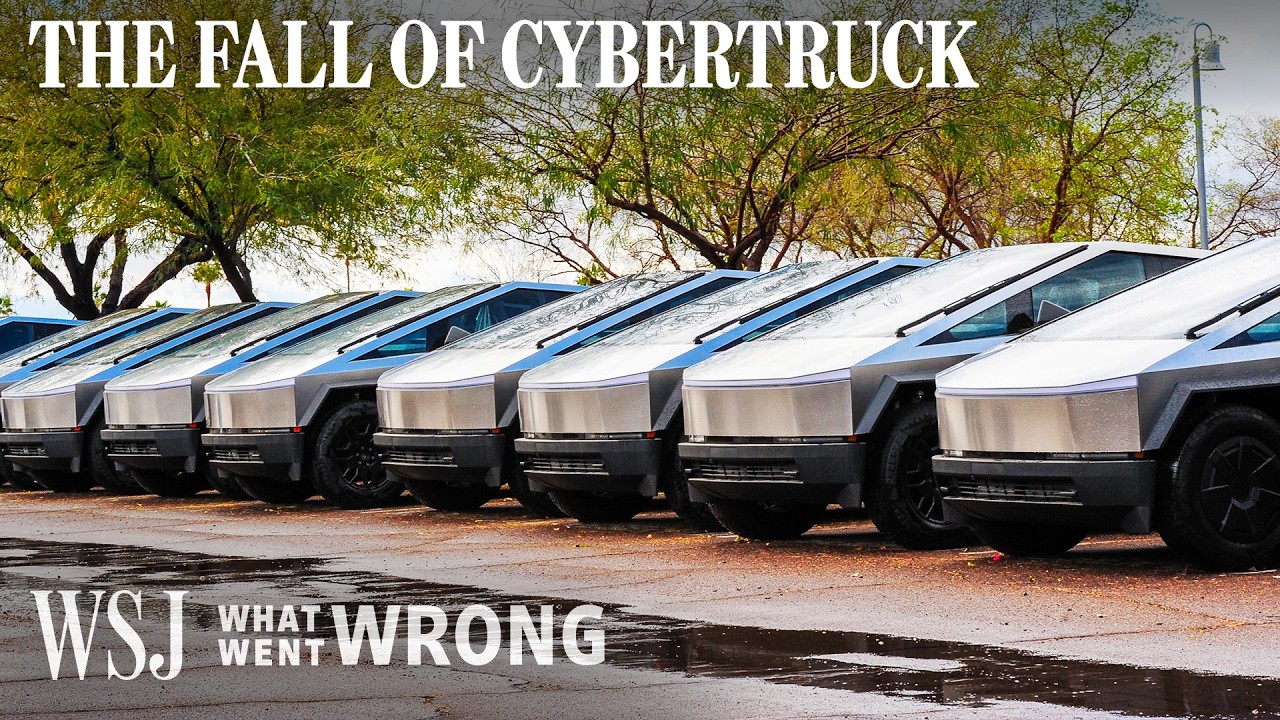 Why Elon Musk Is Killing His Polarizing Tesla Cybertruck | WSJ What Went Wrong
Next story: GTA VI fans book vacation days for launch, WSJ reports
Things we can learn from the video
Press to jump
- 0:11Musk announces plans to wind down Cybertruck production in Texas to prepare for Cybercab manufacturing.
- 0:41The 2019 unveiling introduces the unconventional design and includes the broken armor-glass demonstration.
- 2:48The report examines production delays, development costs and a starting price above Tesla's original promise.
- 4:03Peterson and O'Kane detail quality concerns and recalls, before reviewing declining sales.
- 5:52The Journal links backlash over Musk's political alignment to protests, boycotts and dampened consumer interest.
- 6:53A Musk post says production will extend through summer 2027 to address backlogged orders before phasing out.
Tesla plans to wind down Cybertruck production at its Texas factory to make room for the self-driving Cybercab, according to The Wall Street Journal's report. But the pickup's exit will not be immediate: the video closes with an Elon Musk post saying production will continue through summer 2027 to address the order backlog before being phased out.
The report follows the distance between the truck's spectacular introduction and its commercial performance. At the 2019 unveiling, Musk promised something unlike the traditional American pickup. The angular body attracted attention, while a demonstration of its armor glass left broken windows onstage.
WSJ reporters Becky Peterson and Sean O'Kane explain how bringing that design into mass production proved difficult. The report describes years of delays, rising development costs and a starting price substantially above the original promise. It also examines quality problems and safety recalls involving accelerator pedal covers and exterior panels.
According to the Journal, Cybertruck sales totaled just over 20,000 in 2025 and are expected to fall further this year. The analysis places those results within a wider pullback from electric trucks by competing manufacturers, rather than treating Tesla's difficulties as an isolated case.
Peterson and O'Kane also examine the backlash surrounding Musk's alignment with Donald Trump, which the report links to protests, boycotts and weaker consumer interest in Tesla. The planned factory change brings the story back to a concrete business decision: shifting manufacturing space from the unconventional pickup to Tesla's autonomous-vehicle ambitions.
Published on Trari
A professional in this field? Want to write about Cars & motors on Trari? Tell us ›
Where next?


What do you think?
Want to know when somebody answers you?
 Is this your channel?For the channel's owners and team: a ready picture and text for your audience
Share the story with your audience. Everything is ready:
For an Instagram story or a WhatsApp status
For a community post or your channel's description
- Channel
- The Wall Street Journal
- Subscribers
- 6,730,000
- Channel views, last 7 days
- 6,135,474
- Channel views, pace per day
- 1,352,659 (on a normal day: 1,045,080)
- Video published
- November 14, 2026
- Video views so far
- 799,652 (less than a day online)
- Video views, pace per day
- 774,582
The numbers
The report drew about 775,000 views since yesterday, making it The Wall Street Journal's most-watched new video over that period.

💡 Test your knowledge
Which vehicle does the report say Tesla is preparing to manufacture in the Cybertruck's place?
The report says Tesla plans to prepare the Texas manufacturing space for Cybercab production.