
 United States
 United Kingdom
 Canada
 Australia
 New Zealand
 Ireland
David Gibbs questions military restraints on nuclear escalation against Iran
The historian's Transition Protocol interview separates a warning about presidential power from the host's unverified account of Iranian preparations.
 Transition Protocol
Story of
Why this story? The video opened at a pace of 41,670 views a day, 18 times a normal first day on this channel (2,331).
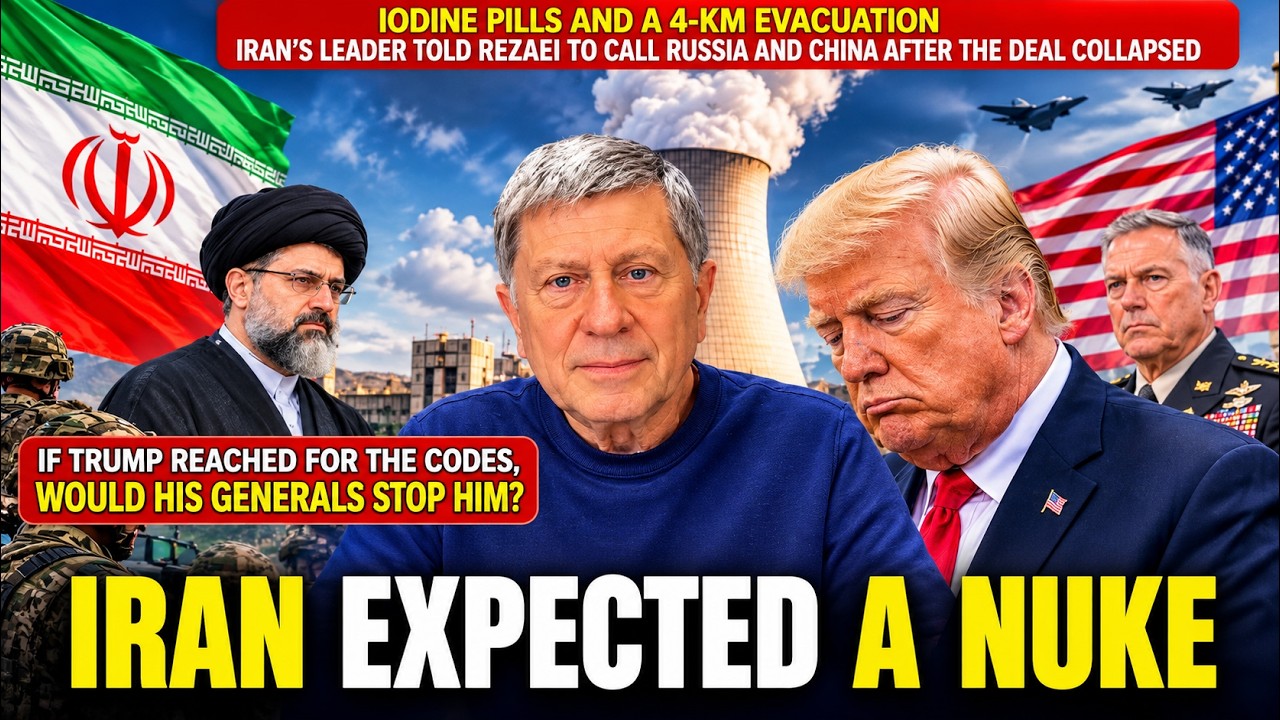 David Gibbs: Iran Expected a Nuke, Tehran Sources Say. Would Trump’s Generals Stop Him?
Next story: Sellsword Arts predicts an unpopular video, and viewers play along
Things we can learn from the video
Press to jump
- 1:13Ali relays an unverified account that Iran prepared for possible U.S. tactical nuclear strikes.
- 4:24Gibbs asks whether generals or military aides would intervene to prevent nuclear use.
- 7:50Gibbs warns that attacks on Iran could trigger retaliation against Gulf infrastructure and U.S. allies.
- 20:01Gibbs argues that anti-war pressure must come from public protest rather than Democratic Party leadership.
- 47:53Gibbs says anti-interventionist messaging gains force by linking military spending abroad to economic hardship at home.
David Gibbs sees a dangerous combination: a president unable to secure victory in Iran and unwilling to accept the political cost of leaving. In his conversation with Transition Protocol host Zulfiqar Ali, the historian argues that this predicament makes further escalation a risk, then asks whether military advisers would intervene before nuclear weapons were used.
That is a warning about what could happen, not an announcement of a decision. The video's description also notes that Trump said in October he would not use nuclear weapons against Iran.
Ali supplies the claim behind the interview's title: his Iranian contacts told him Tehran had prepared for a possible tactical nuclear strike, including distributing iodine tablets and evacuating an area around a nuclear site. The channel explicitly says its account of those preparations cannot be independently verified.
Gibbs's broader argument is that Trump's approach belongs to a bipartisan history of American military intervention rather than representing a break with it. He warns that attacks on Iran could provoke retaliation against Persian Gulf infrastructure, spreading the economic consequences beyond the countries directly involved.
The interview drew about 18,000 views in seven hours, a much faster start than Transition Protocol's usual long videos.
Later, Gibbs turns from generals to public pressure. Drawing on the Vietnam era, he argues that an effective anti-war movement would need to come from outside party leadership, and that connecting overseas military spending to hardship at home offers a concrete basis for organizing.
Published on Trari
Where next?


What do you think?
Want to know when somebody answers you?
 Is this your channel?For the channel's owners and team: a ready picture and text for your audience
Share the story with your audience. Everything is ready:
For an Instagram story or a WhatsApp status
For a community post or your channel's description
- Channel
- Transition Protocol
- Subscribers
- 110,000
- Channel views, pace per day
- 152,575
- Video published
- November 16, 2026
- Video views so far
- 18,437 (less than a day online)
- Video views, pace per day
- 41,670
The numbers
The interview is running well ahead of the channel's usual start. Its first-day projection is not a completed day's view count.
