
 United States
 United Kingdom
 Canada
 Australia
 New Zealand
 Ireland
Ana Kasparian wants credit default swaps banned as AI lending expands
The Young Turks host examines banks buying protection against AI loan defaults while continuing to finance the infrastructure boom.
 The Young Turks
Story of
Why this story? The video opened at a pace of 355,193 views a day, 4.3 times a normal first day on this channel (81,674).
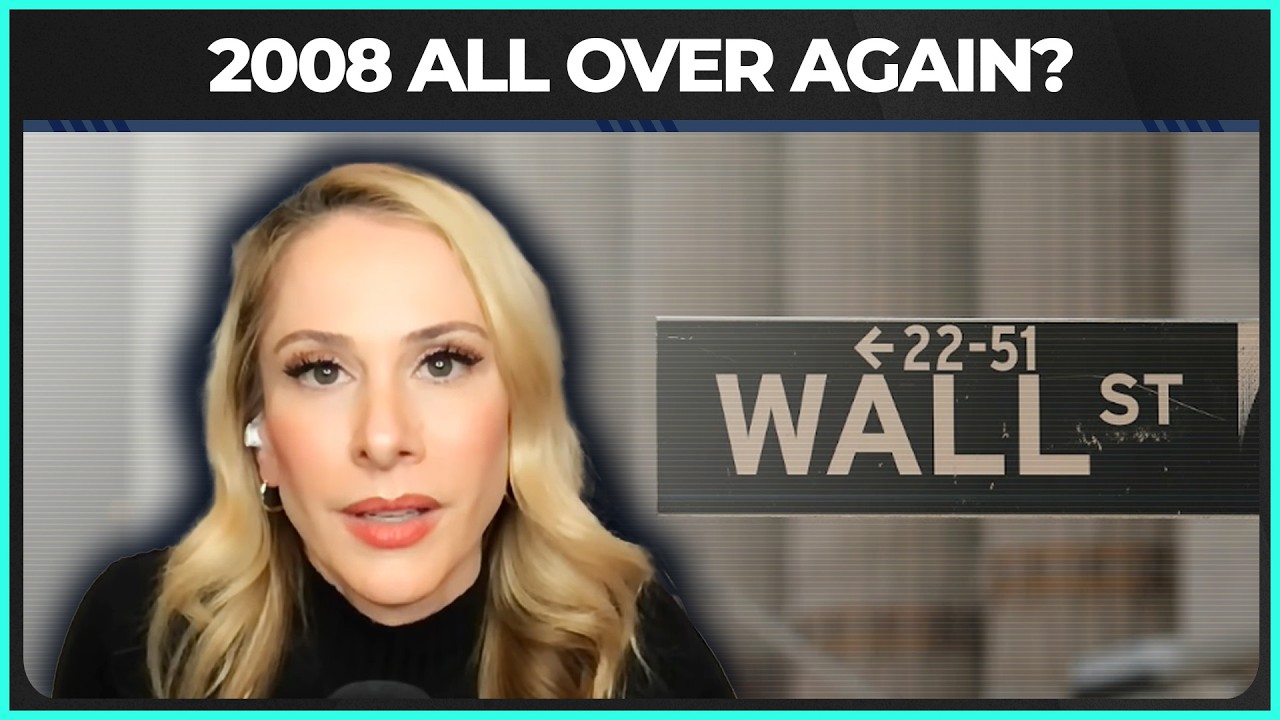 Financial Giants EXPOSED In Massive AI Insurance Scheme
Next story: Cenk Uygur recounts nervous flight during nationwide ground stop
Things we can learn from the video
Press to jump
- 0:43Kasparian warns that banks are using credit default swaps to protect themselves against an AI downturn.
- 0:56Casual Finance explains credit default swaps and connects their use to the housing crash.
- 2:00Kasparian calls for banning credit default swaps while criticizing continued lending to heavily indebted technology firms.
- 3:40Citing the Financial Times, she identifies major banks entering or considering credit insurance for AI debt.
- 5:51Kasparian warns about circular AI financing and argues that potential bailouts deserve scrutiny.
Banks financing the AI boom are also buying protection against its risks. Ana Kasparian sees a troubling contradiction in that arrangement: lenders can keep making loans while transferring some of the potential losses elsewhere.
In The Young Turks segment "Financial Giants EXPOSED In Massive AI Insurance Scheme," she examines reporting about credit insurance for AI infrastructure debt. A credit default swap lets a buyer pay for protection against a borrower defaulting, shifting that risk to the seller of the protection.
The segment combines Financial Times reporting with an explainer from Casual Finance. The reporting quoted in the description says Barclays bought insurance to hedge its exposure to AI infrastructure loans, while HSBC has explored the product. The purpose is not necessarily to stop lending: protection can give banks room to lend more.
Kasparian's response is blunt: "Credit default swaps should be banned." She compares the arrangements with the financial crisis of 2008 and contrasts lenders' willingness to finance AI businesses with the scrutiny ordinary mortgage applicants face. Later, she warns about circular financing within the sector and the prospect of public bailouts, presenting those as risks rather than announced outcomes.
The upload has drawn roughly 234,000 views in its opening eleven hours, with its estimated first-day audience running more than four times the channel's usual level. Its central question is where the losses would land if the AI lending boom went wrong.
A British multinational bank based in London, with businesses spanning consumer banking, corporate banking, investment banking and wealth management.
More on Wikipedia ›A British banking and financial services group based in London, with historical and business ties to East Asia. It operates internationally.
More on Wikipedia ›Published on Trari
Where next?


What do you think?
Want to know when somebody answers you?
 Is this your channel?For the channel's owners and team: a ready picture and text for your audience
Share the story with your audience. Everything is ready:
For an Instagram story or a WhatsApp status
For a community post or your channel's description
- Channel
- The Young Turks
- Subscribers
- 6,770,000 ▲ 10,000 this week
- Channel views, last 7 days
- 14,492,261
- Channel views, pace per day
- 2,479,754 (on a normal day: 2,209,903)
- Video published
- November 15, 2026
- Video views so far
- 233,646 (less than a day online)
- Video views, pace per day
- 355,193
The numbers
The AI lending segment is drawing a much larger opening audience than The Young Turks' usual regular video. Its first-day projection is an estimate, not a completed day's total.

💡 Test your knowledge
What does CDS stand for in the segment's discussion of financial risk?
The segment examines credit default swaps, contracts used to transfer the risk of a borrower defaulting.