
 United States
 United Kingdom
 Canada
 Australia
 New Zealand
 Ireland
Two-handed weapons explain The Shogunate's samurai shield puzzle
An older documentary traces Japan's defenses from handheld shields to standing barriers and armor worn on the shoulder.
 The Shogunate
Story of
Why this story? The channel's weekly summary: what went up this week, what is drawing views now, and where the channel stands among similar channels.
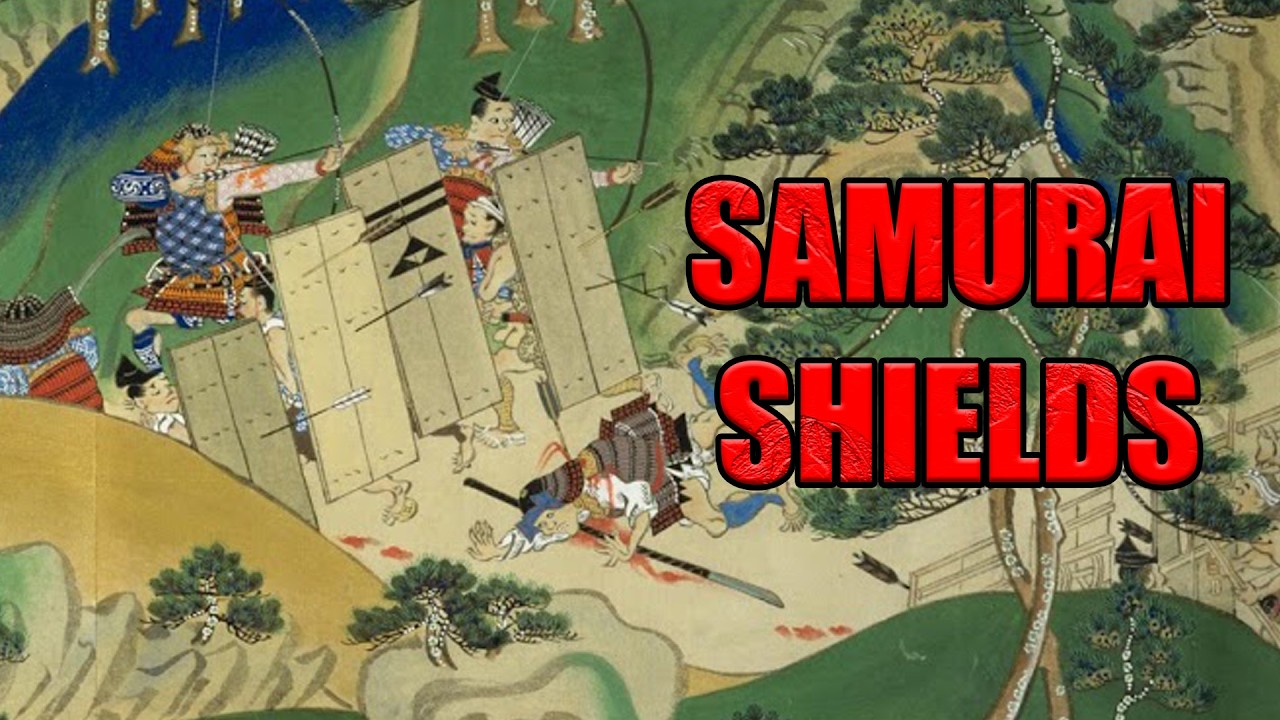 Samurai Shields: History, Usage, and Comparisons
Things we can learn from the video
Press to jump
- 2:11Early handheld tedate were made from materials including wood, lacquered leather and iron.
- 5:12Two-handed weapons reduced the practicality of carrying an individual handheld shield.
- 6:07Shoulder guards, war hats and cape-like barriers provided forms of wearable protection.
- 10:00Standing tate are compared with European mantlets and pavises used to shelter troops.
- 13:33The Nagashino discussion examines barricades, bamboo bundles and standing shields deployed against firearms.
Spears, bows and polearms leave a warrior with an obvious problem: neither hand is free to carry a shield. The Shogunate uses that practical detail to untangle a familiar misconception in "Samurai Shields: History, Usage, and Comparisons", the upload carrying the most daily momentum on the channel right now.
The answer isn't that Japanese warriors went without shields. The documentary follows early handheld tedate into the larger, standing tate, then considers defenses incorporated into what warriors wore. Large shoulder guards, war hats and cape-like barriers all enter the explanation. Comparisons with European pavises help make standing shields feel less unfamiliar: protection did not always have to travel on an arm.
Nothing new went up this week, but the library added roughly 82,000 views. Subscribers held steady at 230,000, while daily viewing is running below the channel's usual level. It's a quieter spell than the one we reported in October, when an upload-free week brought both more views and subscriber growth.
Behind the shield documentary, "Samurai Laws of the Edo Period (Buke Shohatto)" and "How Japan Lost the Imjin War" carry the next strongest daily momentum. Together they give this archive week a useful range: how warriors protected themselves, how the Tokugawa authorities controlled warrior houses, and why military strength alone could not secure Japan's invasion of Korea.
Published on Trari
Where next?



 Is this your channel?For the channel's owners and team: a ready picture and text for your audience
Share the story with your audience. Everything is ready:
For an Instagram story or a WhatsApp status
For a community post or your channel's description
The videos drawing views on The Shogunate right now


- Channel
- The Shogunate
- Subscribers
- 230,000
- Channel views, last 7 days
- 82,170
- Videos published this week
- 0
The numbers
Here is how The Shogunate's archive and audience moved this week.

💡 Test your knowledge
What does the Japanese term tedate mean in the shield documentary?
The documentary identifies tedate as a handheld shield, with the term literally meaning "hand shield."