
 United States
 United Kingdom
 Canada
 Australia
 New Zealand
 Ireland
Japan's tsunami records unlock Cascadia's past in RealLifeLore's documentary
The channel's only new upload passed a million views, tracing earthquake evidence from Indigenous oral histories to coastal ghost forests.
 RealLifeLore
Story of
Why this story? The channel's weekly summary: what went up this week, what is drawing views now, and where the channel stands among similar channels.
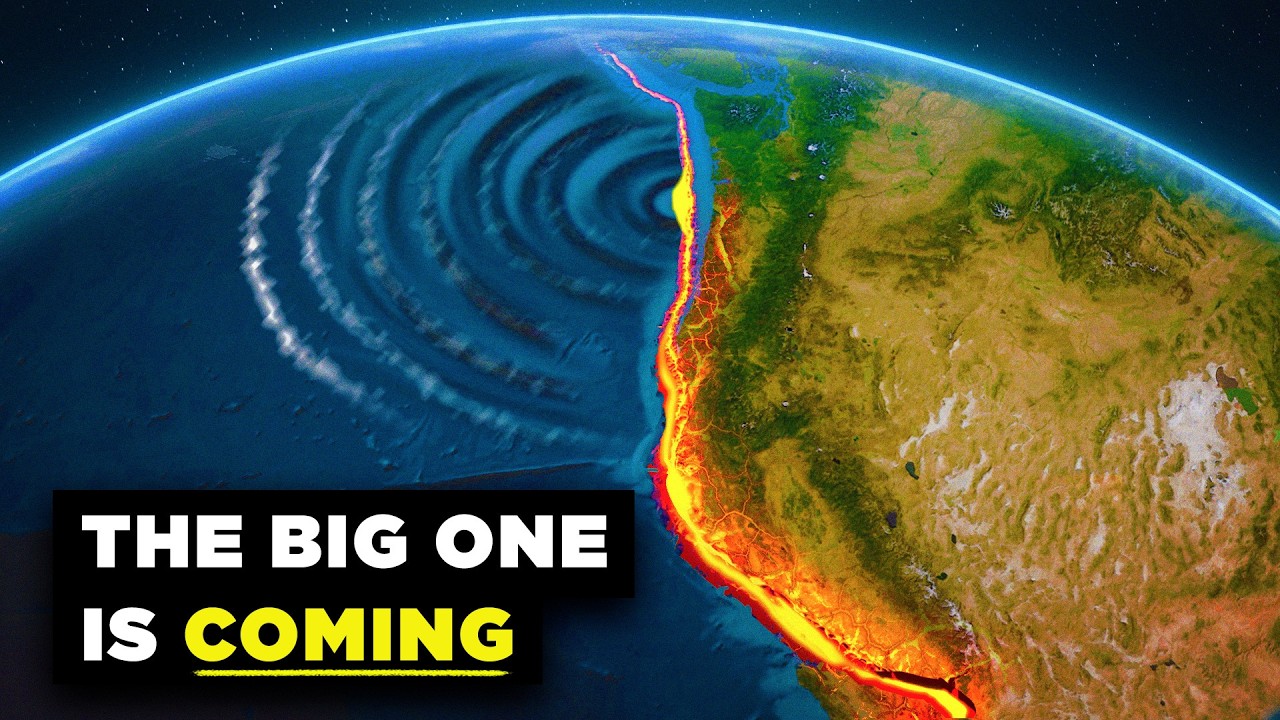 How the Cascadia Megaquake Will Change America Forever
Next story: RealLifeLore pairs a million-view Russia essay with a Gaza appeal
Things we can learn from the video
Press to jump
- 2:22The Juan de Fuca Plate slides beneath North America along the Cascadia Subduction Zone.
- 7:13Indigenous oral histories preserve accounts of major shaking, retreating seas and tsunamis.
- 10:00Japanese records of an orphan tsunami help date the Cascadia earthquake to January 26, 1700.
- 16:25The documentary models prolonged shaking and liquefaction in a future Pacific Northwest megaquake.
- 25:48Washington's Long Beach Peninsula illustrates the difficulty of evacuating low-lying coastal communities quickly.
- 34:45Warning systems, revised building codes and vertical evacuation structures feature in the examination of regional preparedness.
A tsunami recorded in Japan without a local earthquake becomes a crucial clue in RealLifeLore's new documentary. Paired with buried coastal soils and dead trees in the Pacific Northwest, it helps reconstruct the Cascadia earthquake of January 1700.
"How the Cascadia Megaquake Will Change America Forever" was the channel's only upload this week, reaching roughly 1.1 million views. It begins with the Hollywood spectacle of San Andreas, then shifts north to the offshore fault where the Juan de Fuca Plate slides beneath North America.
The historical detective work gives the film more substance than its ominous title alone suggests. Indigenous oral histories describe shaking, retreating seas and destructive waves; geologist Brian Atwater's coastal research supplies physical evidence. Japanese records then help pin down when the disaster happened.
The second half turns from evidence to a future earthquake scenario: prolonged shaking, liquefaction, damaged infrastructure and coastal communities with little time to reach safety. Washington's Long Beach Peninsula receives particular attention, before the documentary examines warning systems, stronger building codes and vertical evacuation structures.
Across the channel, daily viewing is running well above its usual level, although subscribers were unchanged over the week. Among nearby education channels, Tom Scott also has an elevated daily audience, while 3Blue1Brown is close to its customary pace.
Cascadia accounts for most of RealLifeLore's current viewing momentum. There is a geographical connection to its next-busiest upload, too: "Why "Nobody" Lives on the Pacific Northwest Coast" continues drawing viewers more than two weeks after publication.
Published on Trari
Where next?


A professional in this field? Want to write about Science & learning on Trari? Tell us ›
What do you think?
Want to know when somebody answers you?
 Is this your channel?For the channel's owners and team: a ready picture and text for your audience
Share the story with your audience. Everything is ready:
For an Instagram story or a WhatsApp status
For a community post or your channel's description
The videos drawing views on RealLifeLore right now

- Channel
- RealLifeLore
- Subscribers
- 7,930,000
- Channel views, last 7 days
- 1,907,997
- Videos published this week
- 1
- Video published
- November 14, 2026
- Video views so far
- 1,060,598
- Views on its first day
- 586,301
The numbers
Here is how RealLifeLore's new documentary and wider channel performed this week.

💡 Test your knowledge
Which tectonic plate slides beneath North America at Cascadia?
The documentary explains how the Juan de Fuca Plate subducts beneath North America along Cascadia.