
 United States
 United Kingdom
 Canada
 Australia
 New Zealand
 Ireland
Ravi Sharma's 2027 playbook puts ownership before income
Eight uploads connect borrowing power, investment structures and the risks Sharma sees in holding too much cash.
 Personal Finance with Ravi Sharma
Story of
Why this story? The channel's weekly summary: what went up this week, what is drawing views now, and where the channel stands among similar channels.
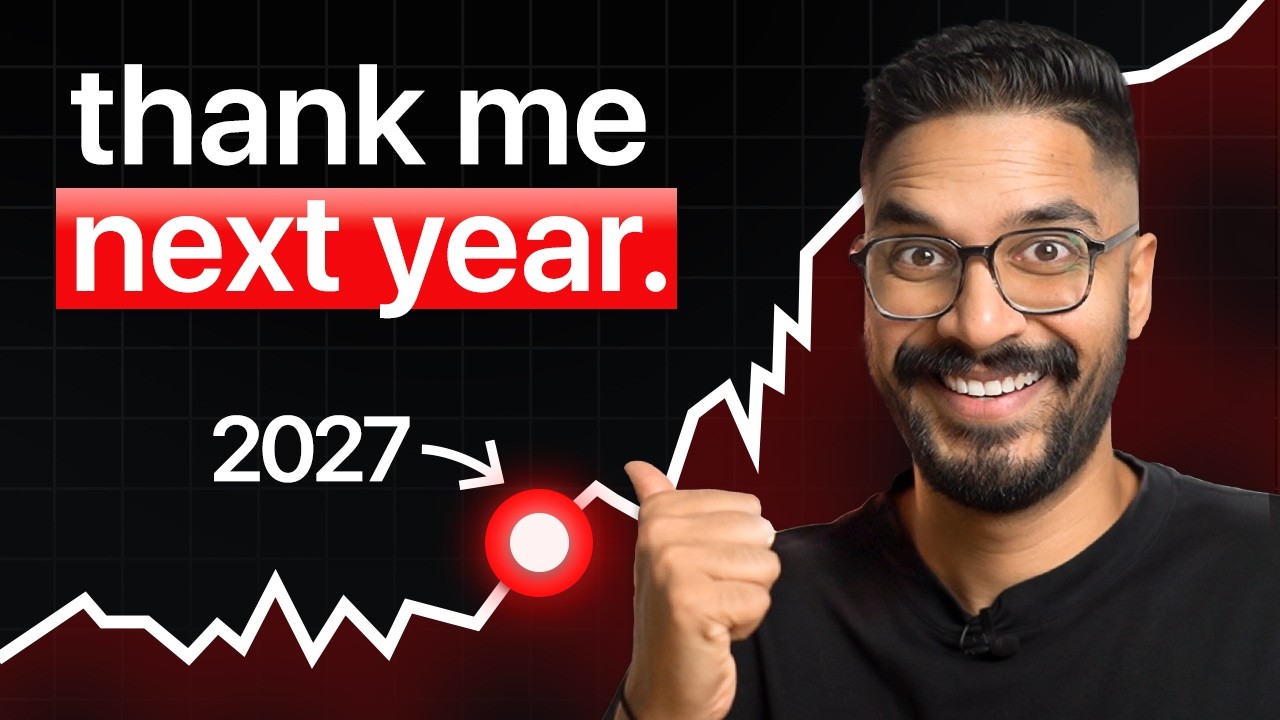 How Smart Investors Are Preparing For 2027 (Full Playbook)
Next story: Housing approvals aren't finished homes in Ravi Sharma's latest week
Things we can learn from the video
Press to jump
- 0:45Sharma describes a K-shaped economy as asset owners advancing while non-owners fall further behind.
- 1:14Interest-rate rises reduce borrowing capacity for both higher- and lower-income earners.
- 2:30Rising living and lifestyle costs can leave households focused on survival rather than investment.
- 4:20Sharma explains how business owners and investors use tax structures to retain capital for compounding.
- 7:05His "buy, borrow and die" discussion contrasts borrowing against assets with selling and triggering capital gains tax.
A pay rise and an appreciating asset aren't the same route to wealth. Ravi Sharma builds his most-watched new upload around that distinction, explaining a "K-shaped economy" in which asset owners move upwards while people without assets fall further behind.
"How Smart Investors Are Preparing For 2027 (Full Playbook)" has reached about 25,000 views. Sharma moves from interest-rate rises and shrinking borrowing capacity to the living costs that leave households concentrating on survival rather than investing. Later, he introduces "buy, borrow and die": the wealthy investor's preference, as he describes it, for borrowing against assets rather than selling them and triggering capital gains tax.
The comments bring that argument back to personal decisions. One viewer recalls regretting a property sale; another asks whether selling properties to put more into superannuation might make retirement simpler. A separate comment disputes his explanation of tax timing through company structures. It's a discussion about what to keep, what to sell and how ownership is organised, not simply whether prices will rise.
That theme runs through the week's other uploads. "What Nobody Told You About Building Wealth in Australia!" sets out lessons on ownership, leverage and compounding. The newer "Cash, No Debt, No Risk? The Problem With Playing It Safe!" argues that excessive caution has costs of its own. It currently draws the most daily views of the channel's highlighted uploads, though the 2027 playbook has the larger total.
Across the channel, daily viewing is roughly a third below its usual pace, and subscribers held steady over the week. Sharma's release schedule, however, was anything but idle: his eight uploads kept returning to the practical tension between protecting today's cash and building tomorrow's assets.
Published on Trari
Where next?


What viewers say
Selling an asset was one of the biggest mistakes I made in my real estate investing. I did not know better than but I’ve learned from it.😂 I still regret it to this day.
@bongrrjrSee it on YouTubeLots of true timeless lessons to learn from the uktra welathy and the system of economics in general. Always on the money much love Ravi ❤️
@rivercossey3908See it on YouTube
Public comments from the video's page on YouTube
 Is this your channel?For the channel's owners and team: a ready picture and text for your audience
Share the story with your audience. Everything is ready:
For an Instagram story or a WhatsApp status
For a community post or your channel's description
The videos drawing views on Personal Finance with Ravi Sharma right now
 What Nobody Told You About Building Wealth in Australia!22,098 views · 2026-11-10
 The 30% Rent Surge Is Coming: What You Need to Know 🥲 #propertymarke…5,813 views · 2026-11-07
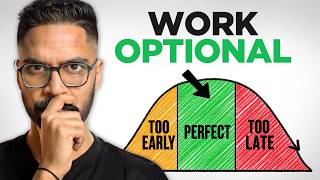 Cash, No Debt, No Risk? The Problem With Playing It Safe!4,617 views · 2026-11-12
 Income needed to buy a house in 2026 💸 #propertyinvesting #financial…2,885 views · 2026-11-06
 Buy When Others Are Fearful... Is It Time to Invest? 🧐 #propertyinve…2,487 views · 2026-11-09
- Subscribers
- 116,000
- Channel views, last 7 days
- 116,085
- Videos published this week
- 8
- Video published
- November 8, 2026
- Video views so far
- 25,389
- Views on its first day
- 13,290
The numbers
Here is how the channel's week and its busiest uploads compare.

💡 Test your knowledge
Which letter describes the divided economy Sharma examines in his 2027 playbook?
Sharma uses a K-shaped economy to describe asset owners advancing while non-owners fall behind.