
A mother woodpecker, one lost egg, and close to eight million views for Feelory
No new stories went up on the wildlife clips channel, so a 25-day-old nest drama about an egg, three chicks and a predator carried the channel's week.
 Feelory
Story of
Feelory
Story of Why this story? The channel's weekly summary: what went up this week, what is drawing views now, and where the channel stands among similar channels.
 This Mother Woodpecker Ate One of Her Own Eggs 🐦😳 #shorts
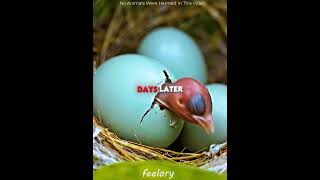
What do people watch on Feelory when nothing new arrives? Mostly a woodpecker. "This Mother Woodpecker Ate One of Her Own Eggs 🐦😳" is close to eight million views. In the narration, the mother senses something wrong with one egg and eats it. Three chicks hatch from the rest, and then a predator finds the nest while she is away. The chicks take it for their mother coming back with food, and one of them does not survive.
Feelory is a clips channel. It takes wildlife footage and builds a short story around it, with scripts by Narendra Rathod and a voiceover credited to Jessica. Nest life is clearly its strongest subject. The second most watched clip right now is another one: a bat carries off a father bird in the night, and the mother raises three chicks alone. A cicada pulling itself out of its old shell on a wooden post offers a gentler change of scene.
Without new uploads, the channel ran far below its usual pace, at roughly an eighth of a typical day's views. It still added about 3,000 subscribers. Among the animal channels close to its size, Cactus had the big week, while Feelory sat near the middle of the group, kept going by the nests it had already filmed.
Published on Trari
Read next

Is this your channel?
Share the story with your audience: in a community post, in your channel's description or on your socials. The text and the badge are ready.

You may use the picture, the badge, and link it to this story.
The videos drawing views on Feelory right now

- Channel
- Feelory
- Subscribers
- 425,000 ▲ 3,000 this week
- Channel views, last 7 days
- 2,580,002
- Videos published this week
- 0
The numbers
Here is how Feelory's week looks in figures.

💡 Test your knowledge
Some cicadas in North America spend years underground before they emerge together in huge numbers. How often do the longest-lived of these periodical broods appear?
Periodical cicadas in North America emerge on 13-year or 17-year cycles, and the 17-year broods are the longest.