
 United States
 United Kingdom
 Canada
 Australia
 New Zealand
 Ireland
Captain Steeeve explains why JetBlue's crew declared a weather emergency
A disagreement over the storm ahead becomes a lesson in who has the final responsibility for an aircraft's safety.
 JetBlue Pilot Declares Emergency After ATC Denies Deviation for Weather
Up next


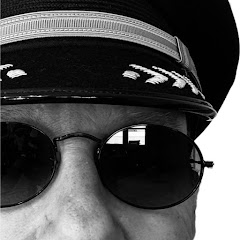 Captain Steeeve
Story of
Why this story? 947,937 views so far, and here is what is inside it.
Things we can learn from the video
Press to jump
- 2:44Captain Steeeve explains Florida storm dynamics and the FAA's Severe Weather Avoidance Program.
- 4:39JetBlue reports that its gap through the weather has closed; ATC initially denies a turn because of traffic.
- 5:12A sponsored Fabletics clothing segment interrupts the aviation analysis.
- 9:50The crew disputes ATC's weather assessment, then declares an emergency and turns to avoid severe weather.
- 13:21The pilot explains the decision; Approach says the declaration has triggered a ground stop for subsequent departures.
- 17:34Captain Steeeve emphasizes the captain's responsibility to prioritize safety and exercise emergency authority when necessary.
The gap had closed. Climbing out of Fort Lauderdale, JetBlue's crew told air traffic control that the opening they had been heading toward was no longer there. They needed a hard right turn, immediately.
Captain Steeeve builds his analysis around the radio exchange that follows: a controller trying to keep aircraft separated, and pilots unwilling to continue toward the weather they see ahead.
Initially, the controller denies the turn because of conflicting traffic. Later, when the crew challenges the prospect of entering a severe thunderstorm, the controller describes only light precipitation. The cockpit's assessment is different.
"Not from the air, ma'am, so we're declaring an emergency, making a left turn heading 260 for severe weather avoidance," the JetBlue pilot says.
That declaration, reached around ten minutes into the video, delivers the answer promised by the title. Captain Steeeve explains that the pilot in command retains responsibility for the aircraft's safety, including using emergency authority when necessary. Ground-based weather information and the crew's view from the cockpit do not always tell the same story.
"Don't ever let anybody outside your cockpit fly your airplane," he says, distilling his argument into a single instruction.
The video includes a sponsored Fabletics clothing segment before returning to the decisive exchange. After the emergency declaration, Approach tells the crew that a supervisor is listening and subsequent departures have been ground stopped. Captain Steeeve closes on the practical lesson: an instruction from the ground does not remove the captain's responsibility to keep the flight safe.
Published on Trari
Where next?
A professional in this field? Want to write about Cars & motors on Trari? Tell us ›
What do you think?
Want to know when somebody answers you?
 For the channel's owners and team
Share the story with your audience
A ready picture for an Instagram story or a WhatsApp status.
Ready text for a community post
- Channel
- Captain Steeeve
- Subscribers
- 1,320,000 ▲ 30,000 this week
- Channel views, last 7 days
- 10,938,439
- Channel views, pace per day
- 1,314,328 (on a normal day: 1,553,087)
- Video published
- November 13, 2026
- Video views so far
- 947,937 (5 days online)
- Video views, pace per day
- 115,726 (on a normal day: 227,269)
The numbers
The JetBlue analysis has drawn nearly 950,000 views in five days. Its central story is the cockpit decision, rather than an unusual jump in viewing.

💡 Test your knowledge
Which Florida city did the JetBlue flight depart from?
The flight encountered the weather disagreement while departing Fort Lauderdale.