
 United States
 United Kingdom
 Canada
 Australia
 New Zealand
 Ireland
Mexico phone-tracking proposal raises questions over judicial safeguards
A Supreme Court discussion would distinguish access to stored phone data from real-time location tracking, Andrea Viloria explains.
 MexicoStory of
Why this story? One of Azteca Noticias's most watched videos since yesterday, with 49,745 views.
Azteca Noticias: The news division of TV Azteca, a Mexican television network of the Salinas group. 5M subscribers and 4.9B views.
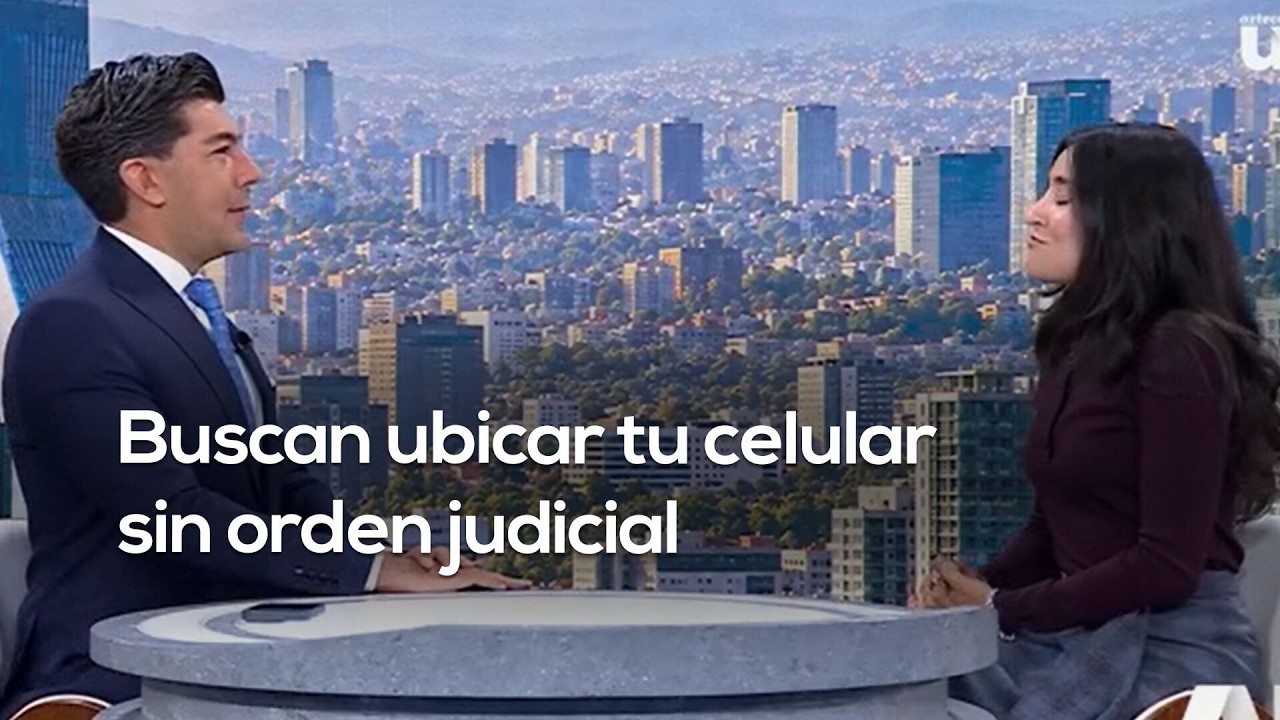 ENTREVISTA | Cuestionan a Lenia por presidir la Corte mientras avalan rastreo telefónico sin orden
Things we can learn from the video
Press to jump
- 0:46Viloria says justices have questioned changes to Batres's draft decisions and requested that she present them again.
- 2:04The discussion recounts Batres's complaint of biased treatment and her suggestion to pause drafts pending a leadership resolution.
- 2:24The contributors describe competing interpretations of how the court's presidency should be decided in 2027.
- 3:09Viloria describes a draft allowing administrative requests for live phone locations while requiring judicial authorization for metadata.
- 4:10Viloria argues that the proposed location-access provision conflicts with Article 303 of the criminal procedure code.
Authorities could obtain a phone user's real-time location through an administrative request rather than a judge's authorization under a proposal discussed in a report by Mexico's Azteca Noticias. Studio contributor Andrea Viloria argues that the distinction would leave a significant gap in privacy protections.
Speaking with presenter Manuel López San Martín, Viloria describes a Supreme Court case concerning the Federal Telecommunications Law. According to the segment, the draft would require judicial authorization to consult users' metadata, but would allow authorities to request live geolocation through an official administrative letter.
Viloria argues that this approach conflicts with the judicial safeguards in Article 303 of Mexico's National Code of Criminal Procedure. Although the upload's title describes warrantless tracking as approved, the studio discussion presents the measure as a proposal awaiting debate, not a completed ruling.
The privacy discussion follows an account of tensions within the Supreme Court involving Justice Lenia Batres, who joined the court in December 2023. Viloria says other justices have questioned changes to draft decisions Batres presents and have asked her to submit them again.
The segment also describes warnings from the court's presidency when speakers exceed their allotted time. Viloria recounts Batres's complaint that her cases receive biased treatment and her suggestion that presenting drafts should pause until the question of the court presidency is resolved.
Looking toward 2027, the contributors identify a dispute over how the next court president should be chosen: by the popular-vote result or by a decision of the justices. The broadcast thus connects an internal argument about the court's leadership with a pending decision affecting citizens' location privacy.
Mexican lawyer and politician who belongs to Morena. She has served on Mexico’s Supreme Court since December 2023.
More on Wikipedia ›Published on Trari
Where next?


- Channel
- Azteca Noticias
- Subscribers
- 5,040,000 ▲ 10,000 this week
- Channel views, last 7 days
- 21,754,620
- Channel views, pace per day
- 1,998,675 (on a normal day: 3,320,200)
- Video published
- November 11, 2026
- Video views so far
- 49,745 (less than a day online)
- Video views, pace per day
- 75,748
The numbers
The segment drew about 50,000 views since yesterday, placing it among Mexico's most-watched new news videos.

💡 Test your knowledge
Who presents the studio discussion featured in this report?
Manuel López San Martín hosts the discussion with Andrea Viloria.