
 United States
 United Kingdom
 Canada
 Australia
 New Zealand
 Ireland
Greenland's meltwater gets a whiteboard lesson on AsapSCIENCE
Mitchell Moffit's Atlantic circulation explainer has passed two million views in a week with no new uploads.
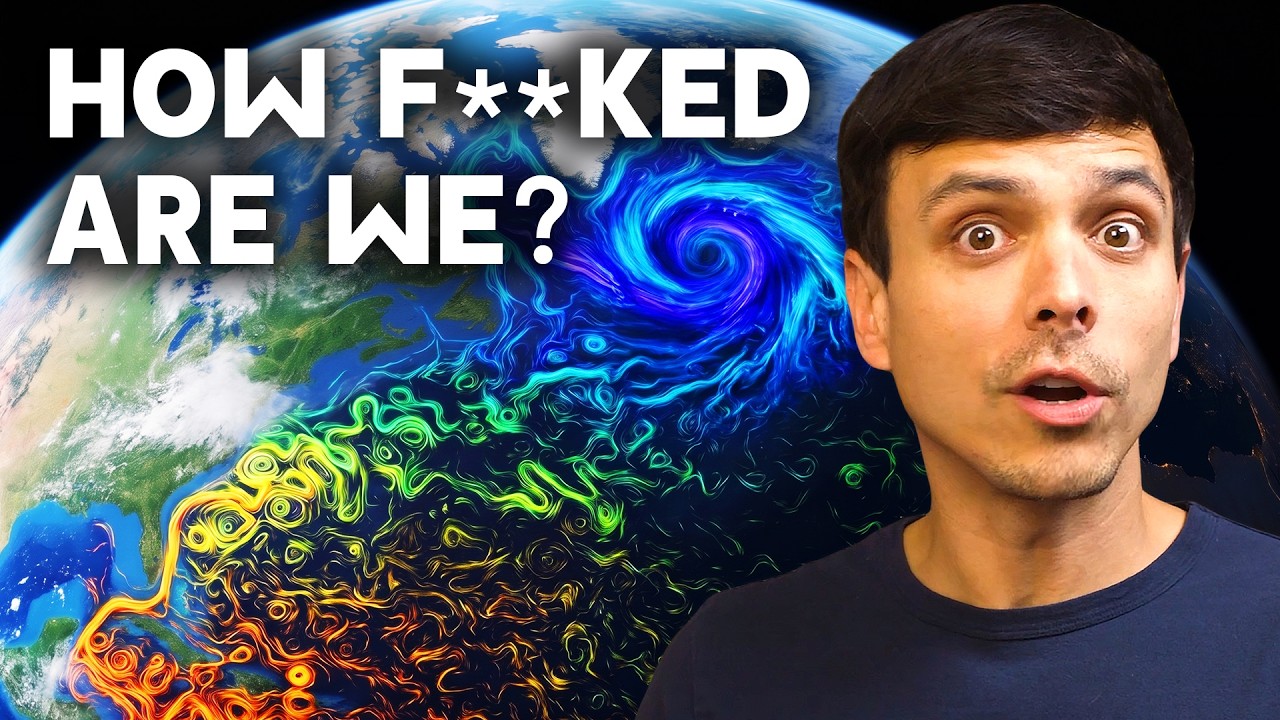 Nobody has EVER seen the ocean do this before
Up nextTrari.com home page ›



 AsapSCIENCE
Story of
Why this story? The channel's weekly summary: what went up this week, what is drawing views now, and where the channel stands among similar channels.
Freshwater might not sound like much of a wrench to throw into an ocean current. In "Nobody has EVER seen the ocean do this before," the whiteboard drawings show why it matters: as Greenland's ice melts, the runoff dilutes the salty North Atlantic water, making it less dense and less likely to sink. That sinking helps drive the Atlantic Meridional Overturning Circulation, or AMOC.
Mitchell Moffit wrote and animated the explainer, which goes from what buoys and satellites can tell us to what's much harder to pin down: when, or whether, a slowdown becomes a collapse. AsapSCIENCE posted nothing new this week, and the ocean video is drawing new views far faster than either of the next two uploads, Gregory Brown's explainer on the evolution of nipples and the channel's video on the biology of bisexuality.
Subscribers held steady, while the channel is drawing about half a million views a day, above its usual pace. Among nearby science channels, Cleo Abram had a particularly busy week and SmarterEveryDay had a quieter one for views. For a channel whose most-watched regular video asks whether you hear Yanny or Laurel, it's a different sort of uncertainty doing the work here: not what you heard, but what the ocean will do next.
Published on Trari.com
Go back to Trari.com home page
Where next?
Things we can learn from the video
Press to jump
- 0:00The North Atlantic's unusually cool patch may be linked to a weakening ocean circulation.
- 0:23Warm, salty water flows north, while colder, denser water sinks and flows south at depth.
- 1:17Buoys, sediment samples, and satellite observations provide clues that the circulation is slowing.
- 1:45Freshwater from Greenland's melting ice makes North Atlantic surface water less salty and less likely to sink.
- 2:38A collapse could cool Europe, shift monsoon patterns, and raise sea levels along parts of North America.
- 4:14One study estimates a midcentury tipping point, but the timing and likelihood of collapse remain uncertain.
A professional in this field? Want to write about Science & learning on Trari? Tell us ›
What do you think?
Want to know when somebody answers you?
 For the channel's owners and team
Share the story with your audience
A ready picture for an Instagram story or a WhatsApp status.
Ready text for a community post
The videos drawing views on AsapSCIENCE right now


- Channel
- AsapSCIENCE
- Subscribers
- 10,800,000
- Channel views, last 7 days
- 2,614,884
- Videos published this week
- 0
The numbers
Here's how AsapSCIENCE's views and subscribers moved over the week.

💡 Test your knowledge
Which element comes first in the periodic table that AsapSCIENCE set to music?
Hydrogen has one proton, giving it atomic number one and the first spot in the periodic table.